Designed to be safe for the people in the building, the animals around it, the environment it sits in, and the property itself.
Electromagnetic emissions
A ROSE panel is digital computing hardware inside a grounded, conductive enclosure. It is designed to the same emissions and immunity standards that govern the servers, switches and building automation already inside occupied space, and the enclosure itself acts as a shield. It is not a transmitter. It broadcasts nothing, it steers no beam, and it produces no ionizing radiation of any kind. Where a site carries radio equipment for backhaul, that equipment is a separate, separately certified device and it is sited and labeled to the rules that govern radio, not folded into the panel.
People
Every surface a person can reach is designed to be touch safe at normal operating temperature. Energized components sit behind tool access barriers with rated disconnects. Walkable installations are engineered to the walking surface live load, with slip resistance and trip edge treatment. Roof work follows fall protection design, not a promise about behavior.
Animals
Enclosures are sealed against nesting and intrusion. There are no exposed hot surfaces, no open blades and no exposed conductors at grade or at roof level. Canopy installations are designed to avoid the reflective glare and the thermal plumes that make some rooftop equipment a hazard to birds.
Water and the environment
The thermal loop is sealed and closed, rejecting heat dry. Using liquid inside a loop is not the same as consuming water, and near zero operational water consumption is a design requirement rather than an aspiration. There is no combustion in the panel, no stack, and no onsite process emission.
Fire and electrical
Panels are designed to the electrical code path that governs the building they attach to, with rated overcurrent protection, listed disconnects, and a documented shutdown that a first responder can find and operate. Fire service access, roof pathways and clearance are part of the layout, not an afterthought.
The property itself
Mechanically attached mounting is the default assumption on existing buildings, engineered by a licensed structural engineer of record against the actual roof, not a catalog assumption. Where a membrane warranty matters, the attachment path is coordinated with the roofing manufacturer before anything is fastened. Wind uplift, seismic and snow are designed to the governing code edition for the site.
Noise
There is no engine and no combustion. Heat rejection is designed to the sound limit the property has to live with, including residential setback ordinances, and the target is that a neighbor cannot tell the difference.
Responsible sourcing and governance are designed in at the bill of materials, not bolted on in a report.
Materials and supply chain
The program is built to know where its materials come from. Suppliers are screened for conflict minerals reporting on tin, tantalum, tungsten and gold, and for cobalt and mica due diligence, using the established OECD framework rather than a self declaration. Preference goes to suppliers who can produce a real chain of custody.
Recovered and recyclable by design
Enclosure, structure and heat rejection are specified in aluminum and steel, which have mature recycling streams and high recovered content availability. Panels are designed for service access and component level replacement so a refresh swaps the compute cassette rather than landfilling the assembly.
End of life
Hardware retirement runs through certified electronics recyclers with documented downstream accountability, with data bearing devices sanitized to a recognized media sanitization standard before they leave the site.
Environmental
The environmental case is the siting itself. Putting compute on buildings that are already built, already served and already connected avoids the greenfield land take, the new substation and the new transmission that a conventional campus requires. Dry heat rejection keeps operational water near zero. Waste heat recovery is designed for on properties that can use it.
Social
Installation, commissioning and maintenance are local trades work by definition, because the sites are wherever the buildings are. Electricians, roofers, ironworkers, controls technicians and network technicians in the community that hosts the site. Apprenticeship and local hire commitments are structured into deployment programs where the host wants them.
Governance
Every design decision, number and commercial term the program publishes is recorded in an append only, hash chained ledger inside our own systems, so any figure in any document can be traced to what it came from and when it changed. That is how a diligence reader gets an answer instead of an assurance.
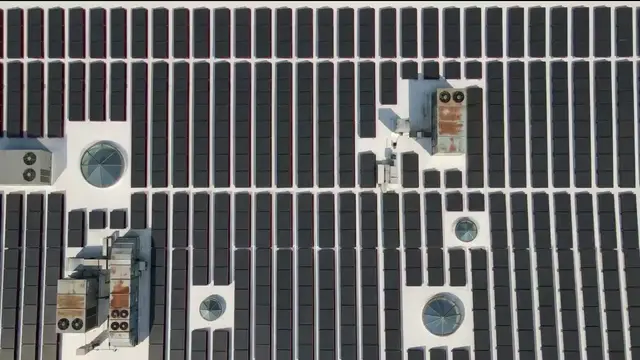 Watch here
01
Industrial and Logistics
The best surface in commercial real estate is already built, already served, and earning nothing.
Watch here
01
Industrial and Logistics
The best surface in commercial real estate is already built, already served, and earning nothing.
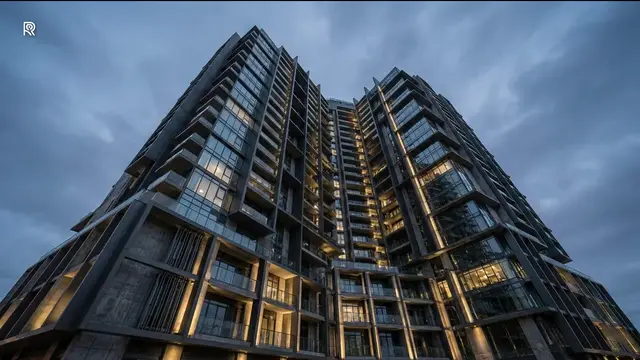 Watch here
02
Multifamily and Residential Income
Density is what unlocks residential, and the reason is the house meter.
Watch here
02
Multifamily and Residential Income
Density is what unlocks residential, and the reason is the house meter.
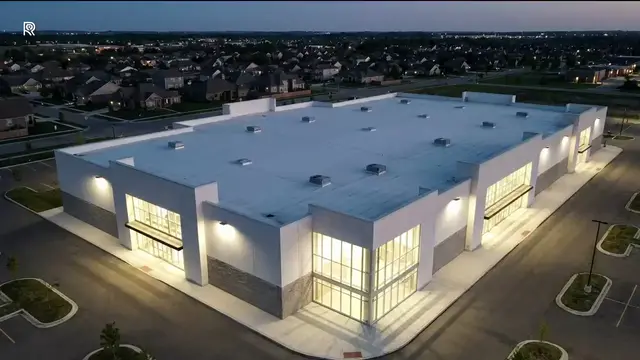 Watch here
03
Retail
When the roof pays, the shelf can cost less.
Watch here
03
Retail
When the roof pays, the shelf can cost less.
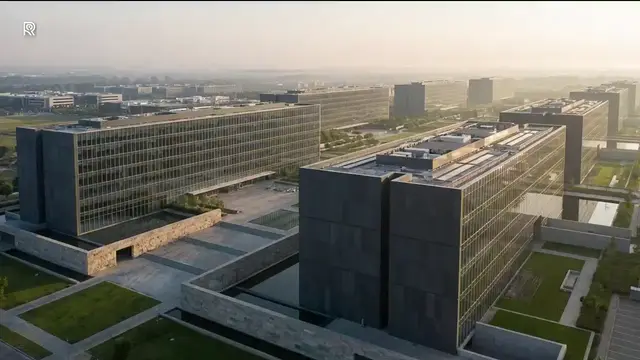 Watch here
04
Office
The most distressed asset class in America is also the one with a façade.
Watch here
04
Office
The most distressed asset class in America is also the one with a façade.
 Watch here
05
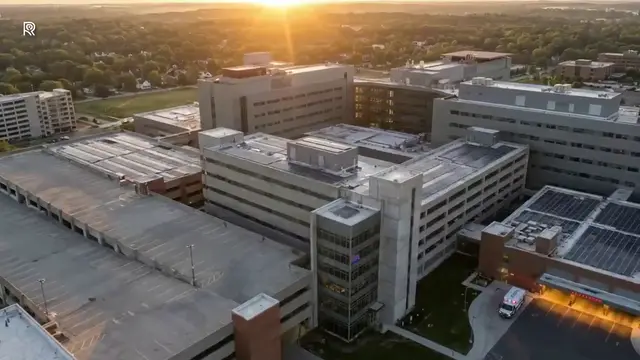
Healthcare
The building already runs 24/7, already has engineered emergency power, and already needs the compute.
Watch here
05
Healthcare
The building already runs 24/7, already has engineered emergency power, and already needs the compute.
 Watch here
06
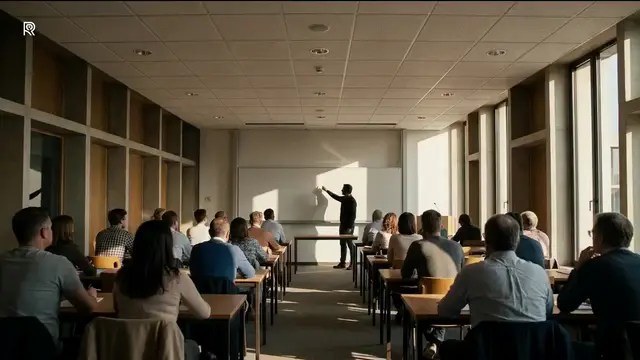
Education
A school district owns more roof than almost anyone in its county.
Watch here
06
Education
A school district owns more roof than almost anyone in its county.
 Watch here
07
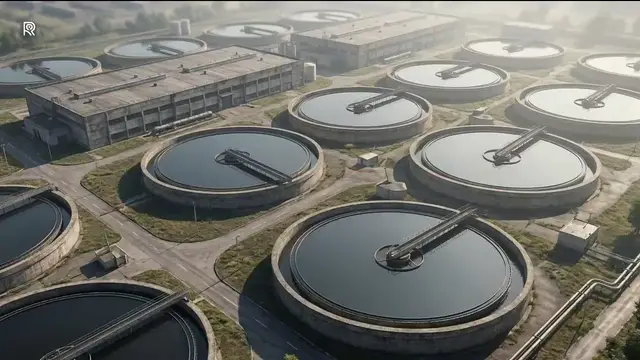
Government, Civic and Institutional
The country's infrastructure is distressed, and the country owns an enormous amount of roof.
Watch here
07
Government, Civic and Institutional
The country's infrastructure is distressed, and the country owns an enormous amount of roof.
 Watch here
08
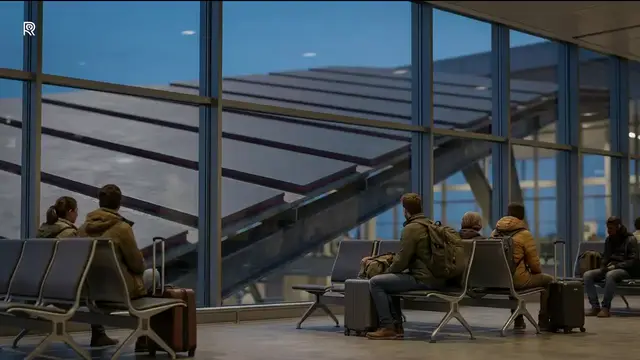
Transportation and Infrastructure
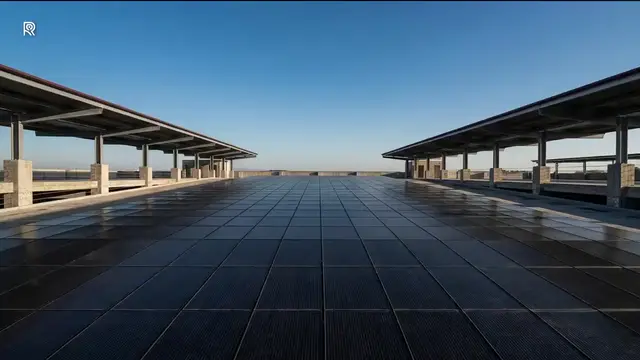
Ports, rail yards and airports are industrial electrical environments with acres of surface.
Watch here
08
Transportation and Infrastructure
Ports, rail yards and airports are industrial electrical environments with acres of surface.
 Watch here
09
Parking
The highest usable fraction surface we have, and the owner is often not the building owner.
Watch here
09
Parking
The highest usable fraction surface we have, and the owner is often not the building owner.
 Watch here
10
Hospitality, Leisure and Assembly
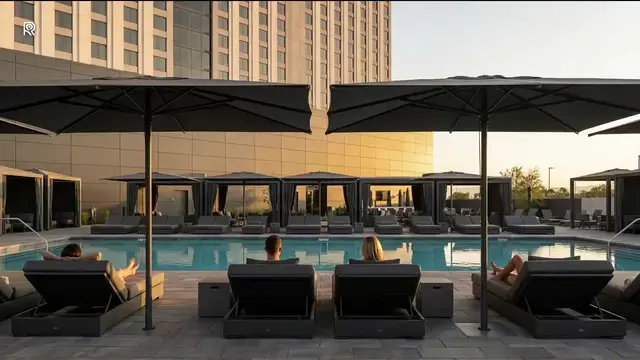
Resorts and convention centers have the service headroom. Stadiums have the surface and the story.
Watch here
10
Hospitality, Leisure and Assembly
Resorts and convention centers have the service headroom. Stadiums have the surface and the story.
 Watch here
11
Energy, Utility and Telecom
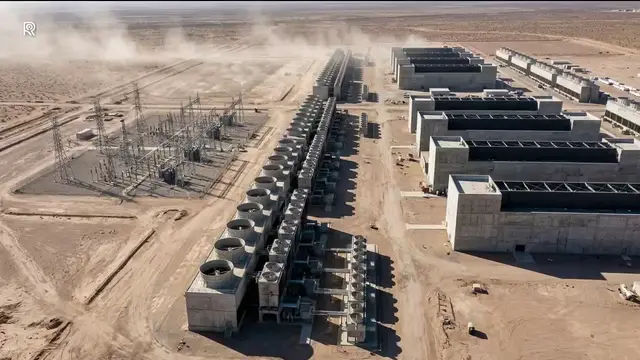
Built with the serving utility, on the ground that is already interconnected.
Watch here
11
Energy, Utility and Telecom
Built with the serving utility, on the ground that is already interconnected.
 Watch here
12
Agriculture and Rural
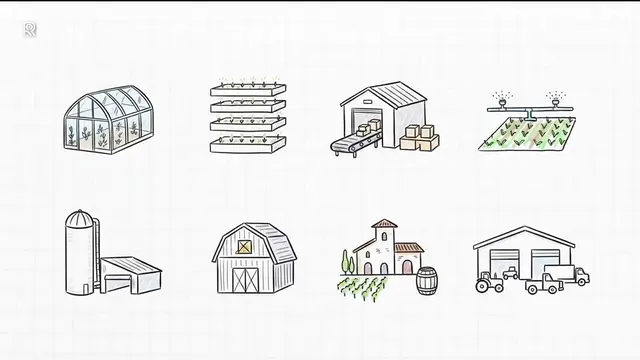
Controlled environment agriculture already pays for the power. It should get the compute too.
Watch here
12
Agriculture and Rural
Controlled environment agriculture already pays for the power. It should get the compute too.
 Watch here
13
Mixed-Use, Land and Programmatic
Where the building has not been designed yet, the load can be designed for.
Watch here
13
Mixed-Use, Land and Programmatic
Where the building has not been designed yet, the load can be designed for.